

Wellness travel is no longer an obscure niche.
It has moved from the sidelines of the hospitality industry straight into the mainstream as one of the biggest travel trends of 2026. I’m not the only one who shares this opinion. Expedia, Booking.com, and Travel + Leisure all agree with me.
The demand for wellness travel has also led to an interesting caveat. Any hotel with a spa is labeling itself as a “wellness retreat” to grab onto the trend’s popularity.
The problem? It’s confusing for travelers.
A true wellness destination is far more than a face mask and a cold plunge.
A Hotel With a Spa Is Not a Wellness Hotel

Before you make a booking, repeat after me: “A spa does not make a hotel a wellness destination“.
A wellness hotel is designed with intention. From the property’s philosophy, programming, food, and sleep environment – everything is built around health and recovery.
It’s not only about relaxing aromatherapy massages.
A massage menu is a hotel amenity. A structured sleep program, a certified nutritionist on staff, a food philosophy built around anti-inflammatory eating, and a digital detox policy – that is a wellness hotel.
The challenge is that the marketing language is nearly identical. Both types of properties will use words like “holistic,” “transformative,” and “restorative.” Knowing what questions to ask is how you tell them apart.
The Concierge Checklist: What to Ask Before You Book a Wellness Retreat

Before committing to any property that calls itself a wellness destination, run through these questions:
- What is the food philosophy? There is a difference between a property with “healthy options” on the menu and one with an anti-inflammatory or farm-to-table approach.
- Is there a structured sleep program? Blackout curtains are a start, but a sleep program means dedicated sleep-focused amenities, programming designed to lower cortisol, and a pillow menu.
- Are the wellness staff certified practitioners? There is a difference between a licensed physical therapist, a certified functional medicine practitioner, or a board-certified sleep specialist and a spa attendant with a weekend wellness certification.
- What is the property’s definition of a digital detox? Some properties limit Wi-Fi to certain hours or areas. If digital detox matters to you, ask how it is enforced rather than encouraged.
The Red Flags to Watch Out For at Wellness Destinations

Is the property using fluffy, vague language like “a holistic journey” or a “transformative experience”? It sounds great at first glance, but if there is nothing to back it up (like programming details), it’s not a wellness destination.
Here are specific things that raise my antenna:
- The spa is the entire wellness program: If you ask what the wellness offerings are and the answer is a list of treatments and a fitness center, that’s a spa hotel.
- No certified practitioners on staff: “Wellness staff” can mean many things. If the team doesn’t include licensed practitioners – that’s not a good sign.
- Everything is an add-on. A seemingly reasonable nightly rate can become expensive once you add individual class fees, wellness consultation charges, and spa access surcharges.
- The food is an afterthought. At a wellness property, the kitchen and the wellness programming talk to each other. If the restaurant is serving standard hotel food with a salad section, the property hasn’t made the connection between nutrition and recovery.
- Digital detox is “encouraged,” not designed. Full Wi-Fi everywhere, TVs in every room, and no programming that creates natural distance from your devices.
- The programming resets every day. Wellness isn’t a series of unrelated classes you can dip in and out of. Look for properties where the programming builds, and the staff tracks how you’re responding. If every guest gets the same schedule regardless of their goals, it’s a group fitness timetable.
Where to Actually Go: Wellness Properties Worth the Investment
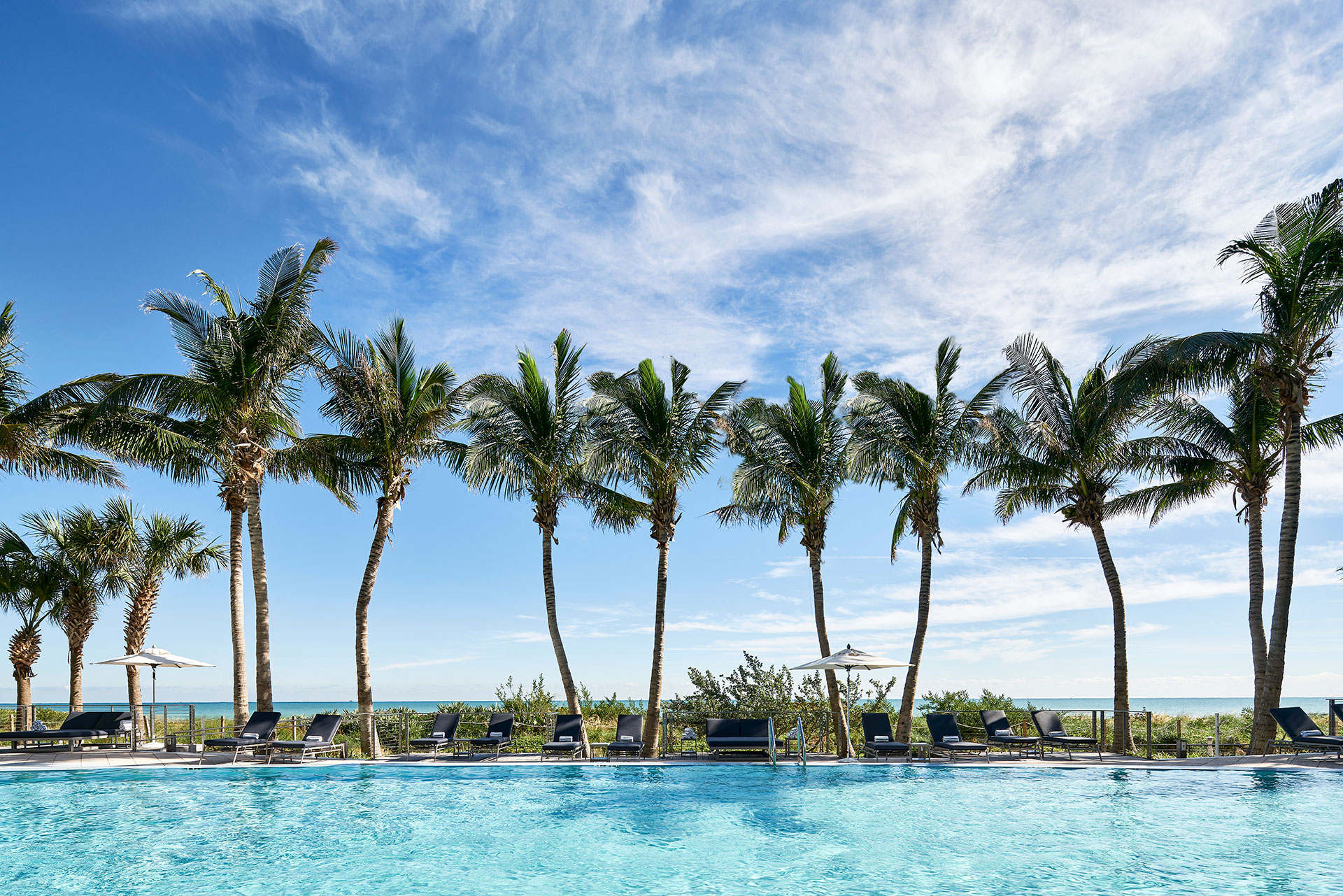
Here’s a starting point of wellness properties to add to your bucket list.
Accessible to Mid-Range ($300–$600/night)
Carillon Miami Wellness Resort, Miami Beach, FL
Want to stay here for your next wellness getaway? Rates start at $300+, and it’s worth every dollar. The property boasts one of the largest spa and wellness facilities on the Eastern Seaboard. Guests can access medical-grade wellness consultations (like a skincare concierge), sleep therapy matched to your body’s energy chakras, and 750 feet of private Atlantic beachfront. And the spa? It does more than massages. You can book custom wellness treatments for a range of concerns, including circulation, back pain, emotional health, mental fog, immune system, headaches, and more.
Upper-Mid to Premium ($600–$900/night)

The Lodge at Woodloch, Hawley, PA
Two and a half hours from New York City, set on 500 wooded acres in the Poconos, the Lodge at Woodloch is an incredible all-inclusive wellness stay. Your meals, 40,000 square feet of spa, fitness classes, and activities will set you back around $700/night. The farm-to-table restaurant is exceptional, the activity schedule changes bi-weekly, and includes classes like vibrational sound therapy and tai chi. Over at the spa, you’ll find your standard massages amongst energetic bodywork, ancient Chinese Tui Na, and Ayurvedic treatments.
Luxury ($1,000+/night)
The Michelin Guide’s number one wellness resort in New England is home to hiking trails, nature immersion, and an individualized approach to wellness. If you want a good deal on rates, book mid-week during off-peak season. While it is more expensive than other wellness hotels, you get so much value. The rate includes all-inclusive chef dining, 35+ daily optional activities, thoughtfully designed rooms, round-trip transportation, and a spa boasting over 200 treatments.
Mii Amo is another heavy hitter in the wellness travel niche. According to Forbes, it’s the first and only five-star wellness resort in North America. To stay here, you first need to set your intention and choose among options such as recharge, connection, longevity, or discovery. From there, you can choose your journey length, and a dedicated journey guide will help you craft the perfect wellness itinerary.
Sensei Porcupine Creek, Rancho Mirage, CA
A 230-acre former private estate in the Santa Rosa Mountains has been converted into one of the most scientifically rigorous wellness experiences in the country. Guests receive a WHOOP wearable before arrival. Dining is by Nobu. There is a private golf course. Packages start at around $1,300–$1,700/night with a three-night minimum. Porcupine Creek is a property for luxury travelers who want measurable outcomes and structured programs built around their specific health numbers.
The Bottom Line
Wellness travel done well is the ultimate form of self-care.
Take your time and research each property to make sure you’re getting a fully fledged wellness experience, not just a spa menu.
Got any questions about wellness travel? Let me know in the comments below!